
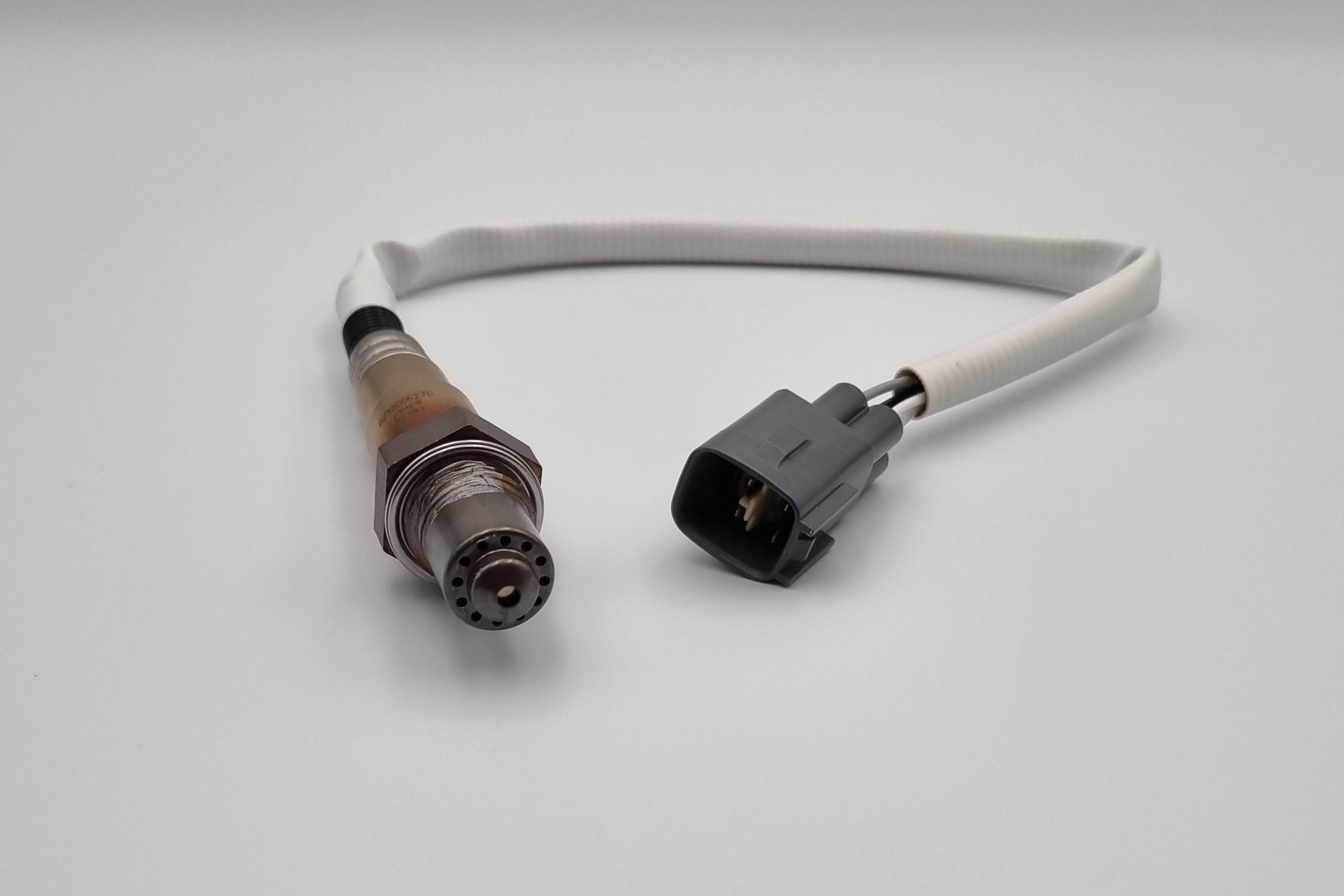
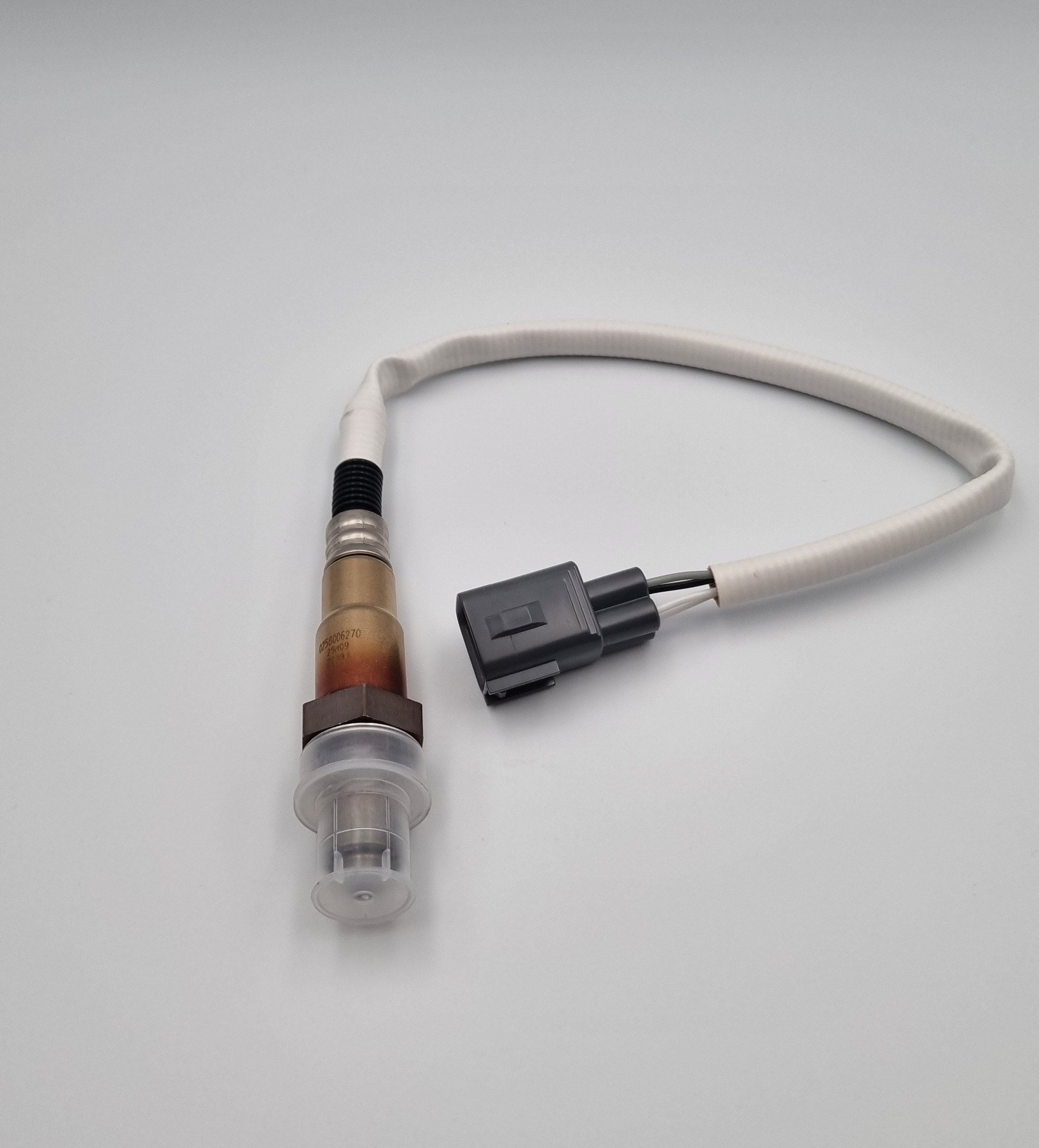
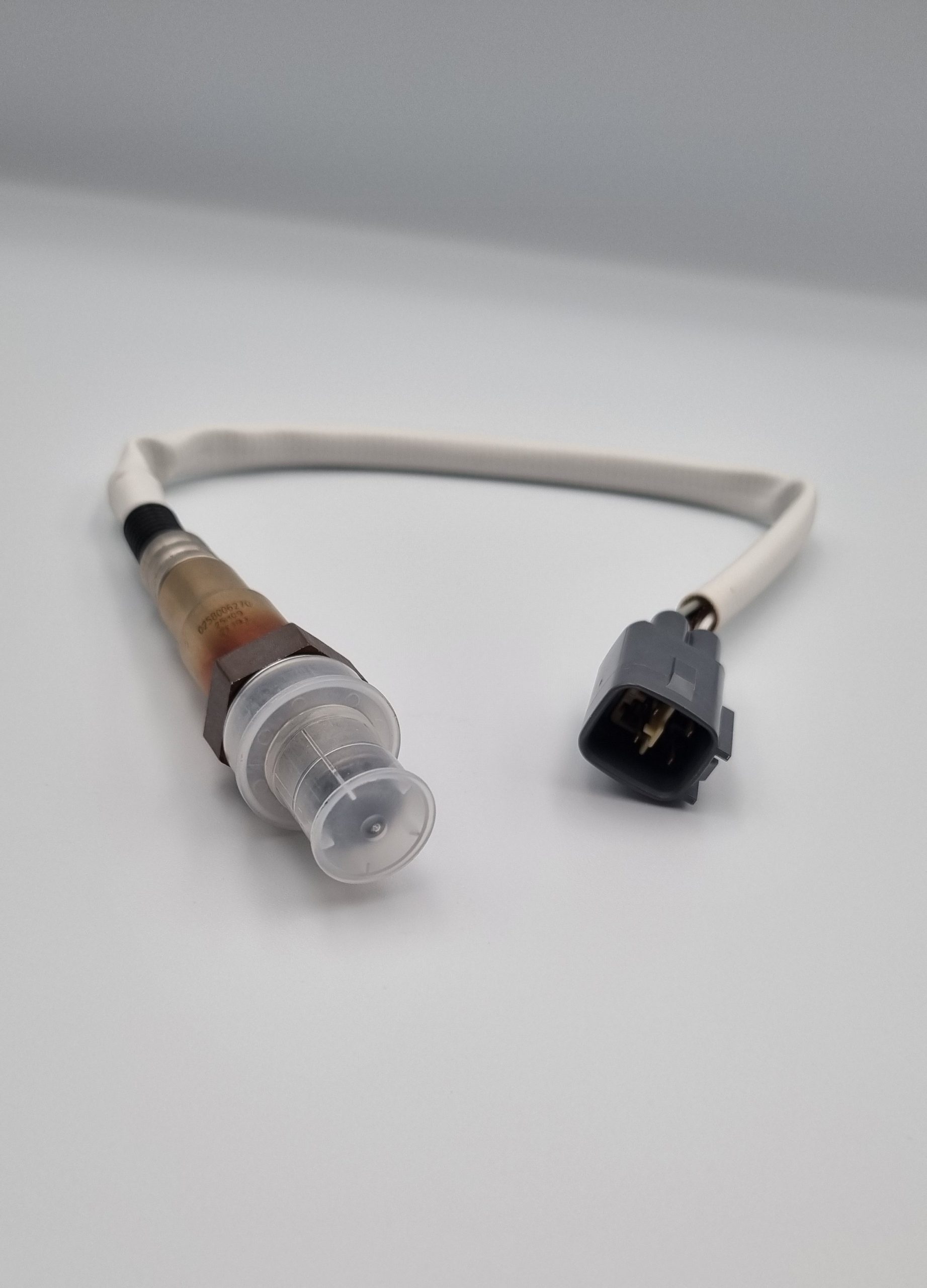
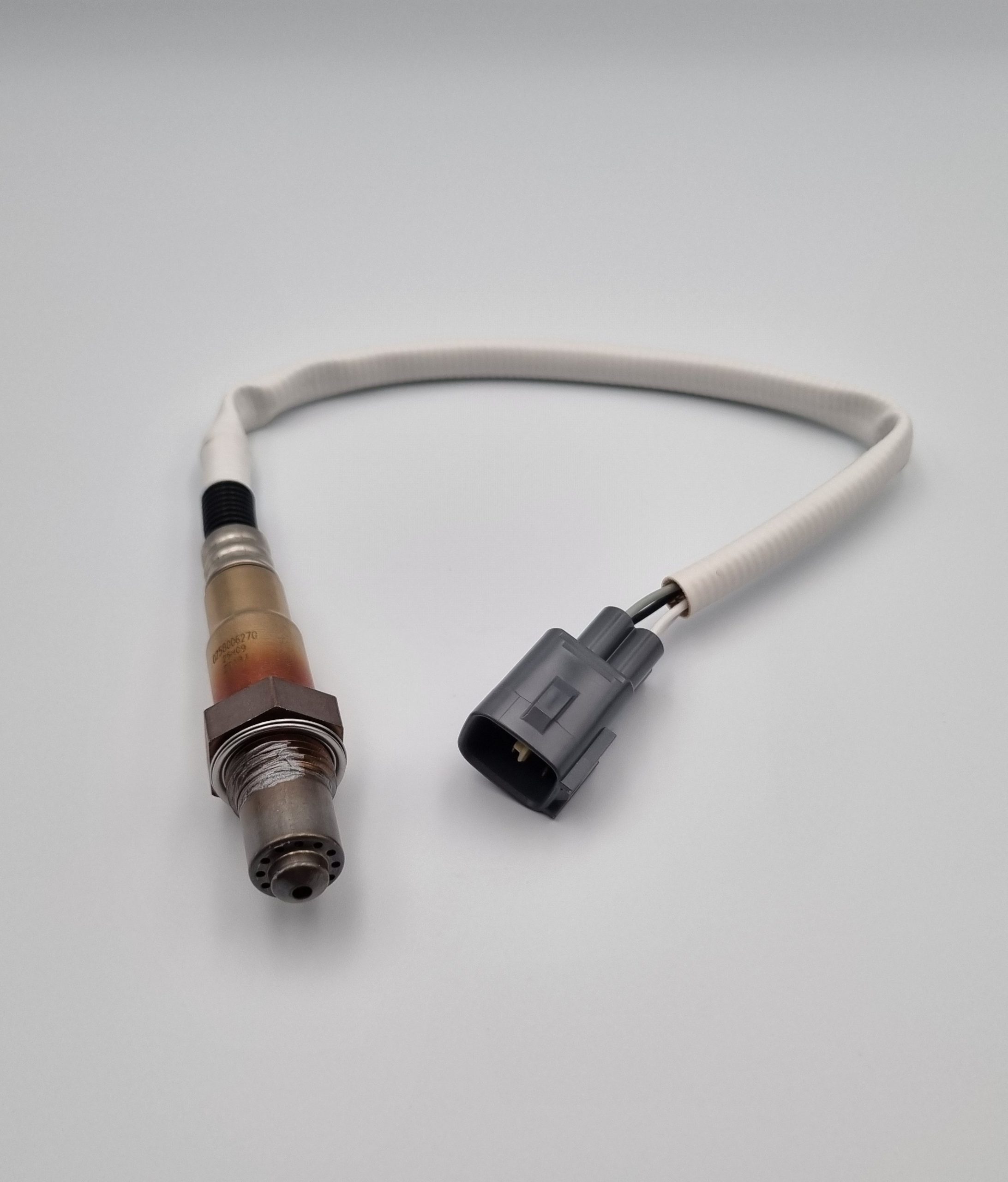
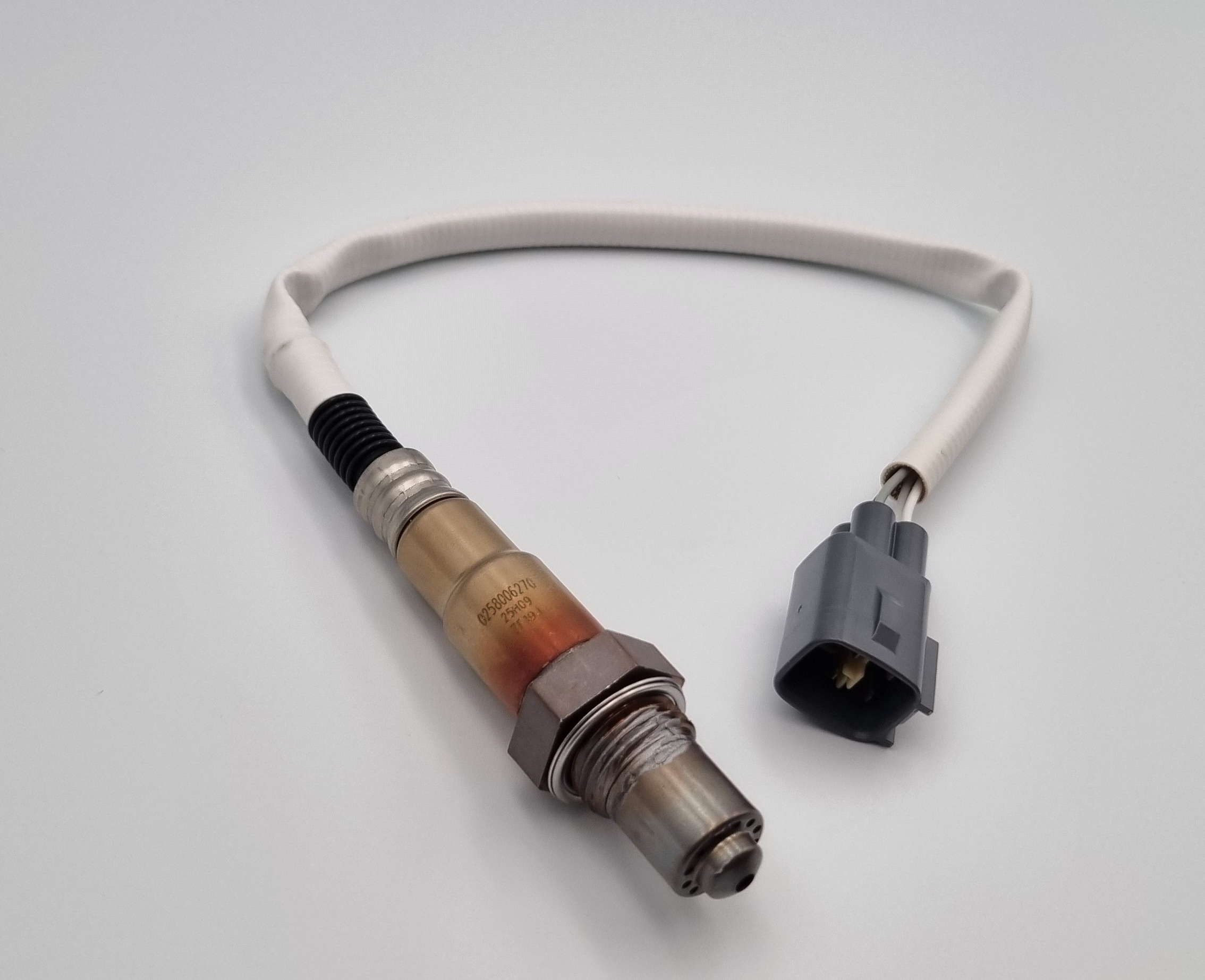
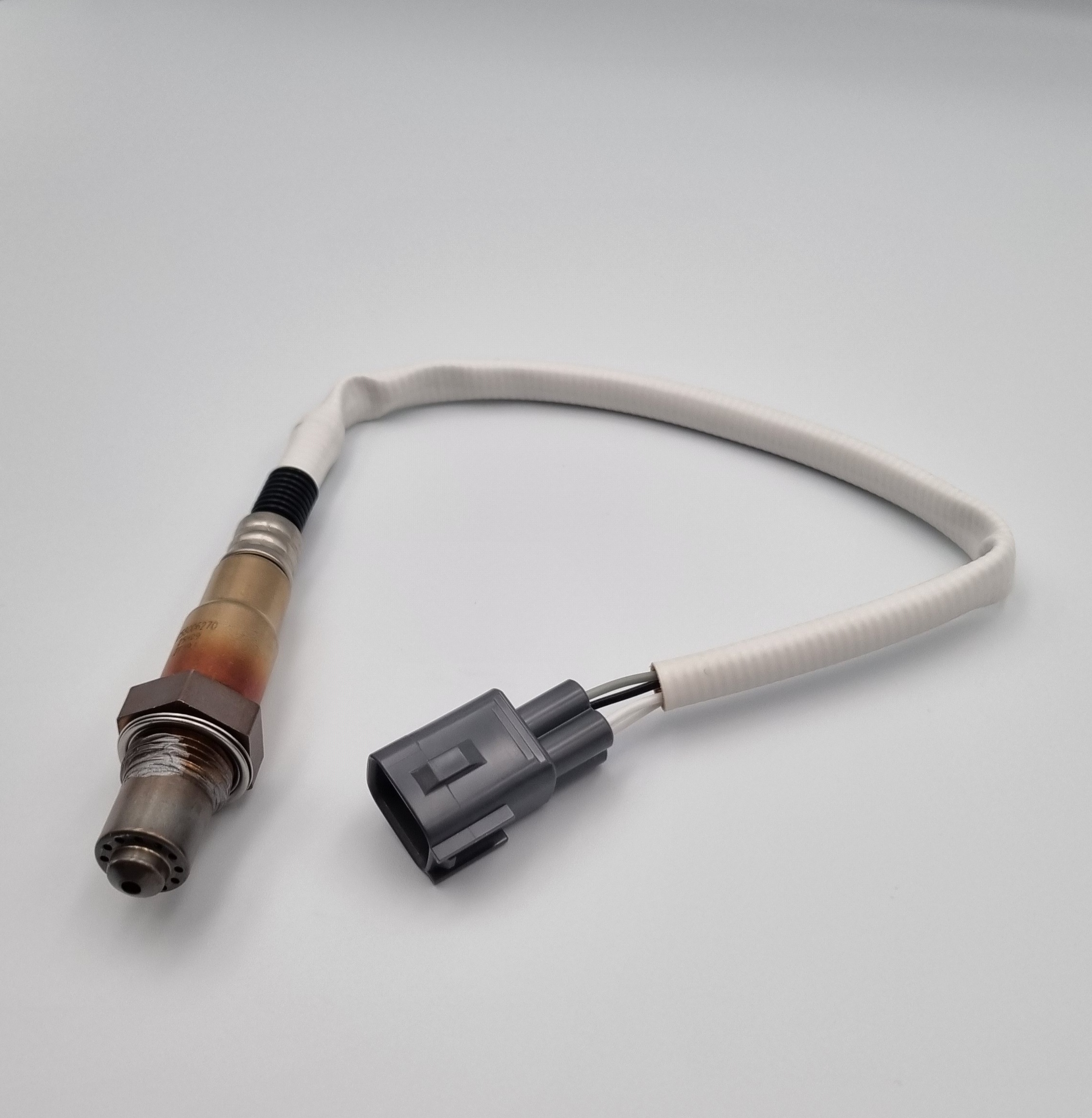
0258006270 / 89465-0H010 Oxygen Sensor (Lambda Probe) – Front / Pre-CAT – Fits Toyota Aygo, Yaris, Corolla & Citroën C1, Peugeot 107 – OEM-Spec Replacement
£52.99
Description
✅ Product Overview
Keep your engine running efficiently with this heated oxygen sensor / lambda probe.
A faulty sensor can cause poor fuel economy, high emissions and MOT failures.
This front / pre-CAT sensor is designed as a direct replacement for the original factory-fitted unit, restoring correct fuel-air mixture feedback to your ECU for optimal performance.
⚙️ Key Features & Benefits
-
OEM-spec replacements: Bosch-cross-ref 0258006270, Toyota 89465-0H010
-
Heating-type sensor for fast warm-up and accurate readings soon after engine start
-
Restores correct AFR (air-fuel ratio) improving MPG, throttle response & emissions
-
Pre-CAT / Upstream position – monitors exhaust gases before catalytic converter
-
Plug-and-play fitment – no modifications required
-
Durable design – resistant to high heat and exhaust contaminants
-
1-year UK warranty against manufacturing defects
🛠️ Technical Specifications
| Specification | Detail |
|---|---|
| Sensor Type | Heated Lambda / O₂ Sensor |
| OEM / Cross-Reference | 0258006270, 89465-0H010 |
| Measuring Range | 0–100 % |
| Sensitivity | 0.5 s response |
| Repeatability | 2 % |
| Hysteresis | 0.7 % F.S |
| Linear Accuracy | 0.4 ppm ±10 |
| Resolution | 0.5–0.0625 |
| Placement | Front / Upstream / Pre-CAT |
| Voltage | 12 V heating element |
| Brand | Vensill (Aftermarket OEM-spec) |
| Warranty | 12 months |
🚗 Vehicle Compatibility (UK & EU-Spec)
Front / Pre-CAT Sensor – always confirm OE part number before purchase
-
Toyota Aygo 1.0 1KR-FE – 2005/07-2019/12 – WNB1_, KGB1_ – 998 cc 50 kW 68 PS
-
Toyota Yaris 1.0 VVT-i 1KR-FE – 2005/01-2011/11 – P9 – 998 cc 51 kW 69 PS
-
Toyota Corolla 1.4 VVT-i 4ZZ-FE – 2001/11-2007/02 – E12 – 1398 cc 71 kW 97 PS
-
Toyota Corolla Station Wagon 1.4 VVT-i 4ZZ-FE – 2002/01-2007/02 – E12J, E12T – 1398 cc 71 kW 97 PS
-
Toyota Corolla Saloon (Stufenheck) 1.4 VVT-i 4ZZ-FE – 2001/10-2006/10 – E12 – 1398 cc 71 kW 97 PS
-
Citroën C1 1.0 1KR-FE – equivalent fitment years
-
Peugeot 107 1.0 1KR-FE – equivalent fitment years
(If unsure, match your existing sensor’s part number before ordering.)
💡 Installation & Safety
Professional installation recommended. Ensure exhaust threads are clean and always reset ECU fault codes after fitment.
🛒 Why Choose Our Sensor
-
Quality aftermarket replacement at a competitive price
-
Improved engine efficiency, lower emissions, MOT-friendly
-
Fast UK dispatch & reliable customer support
🟩 1. FAQ – Oxygen Sensor (Lambda Probe) – 0258006270 / 89465-0H010
🔎 1. What are the symptoms of a faulty oxygen sensor?
-
Check-engine light on with codes such as P0130–P0135
-
Poor fuel economy and reduced engine performance
-
Rough idle or hesitation under acceleration
-
Failed MOT emissions test or strong exhaust smell
-
Black smoke or excessive fuel consumption
🔎 2. Why is the Pre-CAT (upstream) sensor so important?
The upstream lambda sensor constantly monitors exhaust gases before they enter the catalytic converter.
A failing sensor can send incorrect signals to the ECU, leading to rich/lean mixtures, increased emissions, and catalytic-converter damage.
🔎 3. Will replacing this sensor improve fuel economy?
Yes – a new sensor restores accurate air-fuel ratio readings, helping the ECU optimise fuel delivery for better MPG, smoother throttle response, and lower emissions.
🔎 4. Do I need to reset the ECU after fitting a new sensor?
It’s recommended to clear any stored fault codes with an OBD2 scanner after installation so the ECU can adapt to the new sensor.
🔎 5. Can I fit the sensor myself?
If you have basic mechanical skills and the correct 22 mm O₂-sensor socket, you can replace it yourself.
For seized sensors or corroded exhaust threads, professional fitting is advised.
🔎 6. Is this sensor compatible with both petrol and diesel cars?
This part is for petrol engines only – primarily for the listed Toyota and PSA models.
💡 Pro Tip
Always replace any damaged exhaust gaskets and check for exhaust leaks near the sensor.
Leaks can introduce outside air and lead to false sensor readings, even with a brand-new probe.

Reviews
There are no reviews yet.